
Everest: The Death Zone


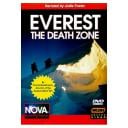 Because it is there is the reason so many men and women have risked death to climb Mount Everest, the tallest mountain on earth. NOVA follows a scientific investigation of high-altitude physiology in Everest: The Death Zone, which examines the biological and psychological changes experienced by a group of climbers during their ascent. Jodie Foster's narration accompanies the team as the NOVA photographers capture the stark, alien beauty of the mountain; the drama reaches a crescendo on the descent as it becomes unclear whether or not an ill climber will make it.
Well worth watching by anyone interested in mountain climbing or the limits of human endurance, Everest: The Death Zone is at once cautionary and inspiring. Get ready for a (literally) breathtaking trek up Mt. Everest, from Base Camp at 17,600 feet; through the chilling, corpse-strewn Death Zone; to the very pinnacle of the the Earth, five and a half miles above sea level. For those brave souls who survive the harrowing climb to the top of the world, it is a transformative experience.
This documentary channel is great,I love it,its perfecto
Wish my health would allow me.to do something so incredible!!
Wow! What a doc! Thanks!
really thanx..
34:44 is that a bird?!
great docu,but i just dont see the point in climbing that mountain, and risking your life ,doing something totally useless.
great video!
fully enjoyed that. thanks
I definitely didn't find this dull, passing by dead bodies from the year before and even the body of a climber who had died that season, then almost losing one of their own on the decent. This was an incredible documentary!
Excellent documentary, very interesting! Thank you =)
a rather dull documentary but it's watchable.